
Did you know that over 80% of American attics remain empty, despite offering premium opportunities for expanding your usable living space and home value? Imagine transforming that dusty attic into a luxurious bedroom retreat, a bright home office, or a cozy reading nook with abundant natural light. If you have extra floor space gathering dust above your ceiling, it’s time to unlock the attic room addition possibilities waiting overhead. In this comprehensive guide, we reveal startling facts, smart strategies, and inspired conversion ideas to help you maximize every square foot and design a finished attic space that perfectly fits your lifestyle—backed by the craftsmanship and expertise of Banner Construction.
Startling Facts: The Untapped Potential of Attic Room Addition Possibilities
“Most attics are left unused, yet they hold the key to unlocking premium square footage and increasing your home’s value.” – Banner Construction Design Team
If you’ve ever stared at your ceiling and wondered about the hidden opportunities above, you’re not alone. For many homeowners, attic space is nothing more than a dark storage unit filled with old boxes and holiday decorations. But with proper planning and creative design, your attic remodel can add remarkable living space and substantially increase your home’s value. Attic room addition possibilities can easily add an extra room to your floor plan without expensive extensions. Modern attic renovations often include dormer windows, exposed beams, and open floor plans that let natural light flood in—qualities that not only make the room feel bigger but also bring your unique style to life. If you seek more living area without sacrificing your backyard or existing layout, consider starting at the top.
Understanding the true potential of your attic is about more than maximizing space; it’s about creating a functional space that meets today’s demands for remote work, relaxation, and versatile entertaining. Every square foot you claim from an attic conversion is an investment in the future comfort, functionality, and value of your home—an opportunity Banner Construction has specialized in since 1993.

What You’ll Learn About Attic Room Addition Possibilities
- Benefits of attic room addition possibilities
- Essential steps for attic renovation and attic conversion
- Creative attic conversion ideas for new living spaces
- Key considerations before starting your attic remodel
Understanding Attic Room Addition Possibilities: Why Your Attic Matters
From Storage to Living Space: Reimagining Your Attic Conversion
Many homeowners overlook their attic as a valuable asset, but with the right approach, attic conversion can become the highlight of your home. Traditional attics serve as catch-alls—full of forgotten keepsakes and old furniture. But these underutilized spaces often feature ample square footage just waiting to be transformed. Imagine swapping boxes for a sunlit home office, an inviting guest suite, or a tailored playroom. A well-planned attic remodel harnesses this potential to meet your changing needs without expanding your home’s footprint.
The secret lies in thoughtful design and renovation. Upgrading insulation, optimizing natural light with dormer windows or skylights, and updating finishes can transform any unused attic into a functional, visually stunning living area. Whether you crave more room for entertaining, a quiet retreat for reading, or a fully equipped studio for creative pursuits, turning your attic into an extra room is a wise solution for today’s lifestyle demands. If you’re considering an attic renovation, think big—because the possibilities are almost limitless.

Pros and Cons of an Attic Remodel Compared to Other Home Additions
When weighing the benefits of an attic room addition versus extending your home or converting a basement, it’s important to evaluate the unique strengths of attic renovation. Attic remodels often leverage existing roof and wall structures, making them more cost-effective and less disruptive than building outward. They’re an especially wise option for properties with limited yard space or restrictive zoning laws. Unlike basement conversions, attics provide abundant daylight and ventilation, making them more appealing for living spaces, offices, or bedrooms.
However, attic conversions aren’t without challenges. Ceiling height restrictions, sloped ceilings, and access limitations can complicate the design process. Structural reinforcements or stair installations may be required, and not all attics meet local building codes for habitable rooms. Comparing these pros and cons side-by-side helps clarify whether an attic remodel or another type of addition is right for your needs and home layout.
| Feature | Attic Remodel | Traditional Room Extension | Basement Conversion |
|---|---|---|---|
| Cost Efficiency | Often lower; existing structure used | Higher; new foundation needed | Moderate; may require waterproofing |
| Natural Light | Excellent with skylights/dormers | Varies with windows added | Limited; often requires artificial light |
| Disruption to Home | Minimal (no changing exterior) | High (affects yard and structure) | Moderate (interior disruption) |
| Potential Space Gained | Often full floor | Custom; depends on extension size | Full or partial basement |
| Common Challenges | Ceiling height, access, insulation | Permits, landscaping, cost | Moisture, egress, ceiling height |
Planning Your Attic Room Addition: Key Steps and Considerations
Assessing Your Attic Space for Renovation and Remodel
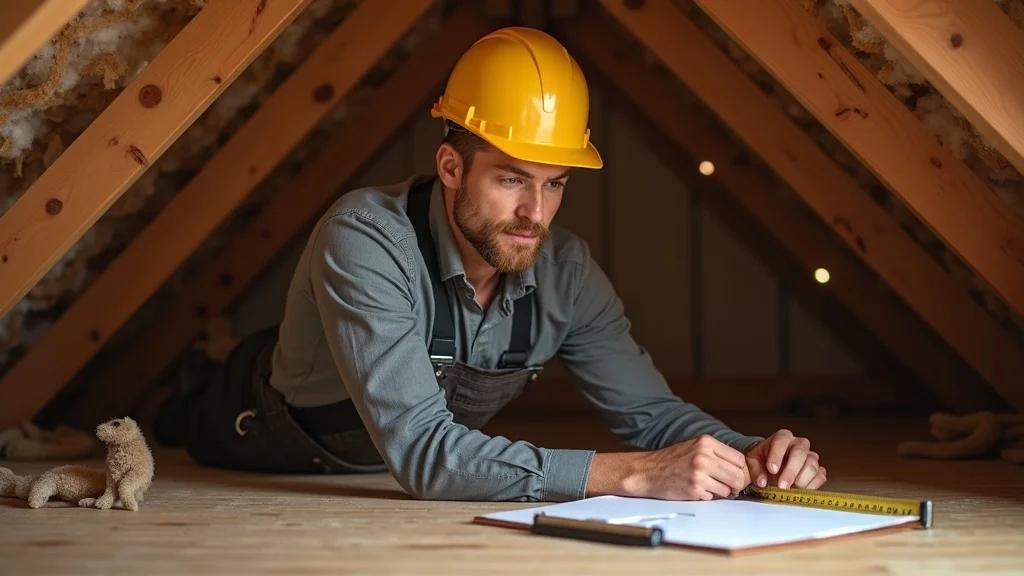
The first step in unlocking attic room addition possibilities is a thorough assessment of your existing attic space. Begin by looking at the available square footage, ceiling height, and roof structure. Many attics have sloped ceilings or support beams, which influence how you can use and partition the space. For a finished attic that feels inviting, the space should be at least 7 feet high in most areas—enough for comfortable movement and functional usage, whether as a bedroom, office, or reading nook.
Professional evaluation is key. A home inspector or contractor can identify structural limitations, insulation gaps, and ventilation needs, making sure your planned remodel is feasible. Don’t forget to consider access: adding or upgrading stairs is often required and must meet local codes. Proper planning in these early stages helps avoid costly changes later on, ensuring your attic conversion is beautiful, safe, and practical.
Understanding Building Codes for Attic Conversion
Navigating building codes is crucial for a successful attic remodel. Codes exist to protect safety, habitability, and long-term integrity of the finished attic. Most regions require a minimum ceiling height (often 7 feet), safe staircase access, adequate egress windows for emergency exits, and proper insulation to promote energy efficiency. Ignoring these critical details can halt construction or require costly retrofits down the road.
Before making design decisions, consult your local authority or experienced contractor, such as Banner Construction, who are experts in guiding clients through regulations. They will ensure your attic room addition possibilities align with both state and local requirements, so every new living space is legal, safe, and properly permitted. Attention to code details early on creates a smooth project from design to completion.
Maximizing Light and Access in Attic Room Addition Possibilities
Light is essential in making a new attic room feel spacious and vibrant. Natural light is best achieved through skylights, dormer windows, or even solar tubes. These features not only illuminate the room but also make the area more inviting and energy efficient. When natural sources aren’t enough, layered lighting solutions—like recessed fixtures and task lighting—can enhance comfort and usability.
Access is equally important. Whether you’re adding a full staircase, spiral stairs, or updating a hatch, it should be both code-compliant and aesthetically pleasing. Functionally, wide stairs or landings offer easier, safer movement, while design details like iron railings and hardwood treads can add style to your home. Don’t forget that a master plan should consider both current and future needs for family members, resale value, and aging in place.
“Successful attic room additions start with a master plan—consider light, stair access, and structural integrity from the outset.” – Banner Construction Expert
Exploring Attic Conversion Ideas for Luxurious Living Spaces
- Attic bedroom
- Home office
- Reading nook
- Studio or creative space
- Guest suite
- Storage solutions
Inspiring Attic Bedroom Transformations
One of the most popular attic conversion ideas is creating an attic bedroom—an inviting private retreat tucked beneath the eaves. By capitalizing on sloped ceilings, exposed beams, and well-placed skylights, a finished attic bedroom can offer both intimacy and charm. Soft textiles, layered bedding, and an area rug help to make the room feel cozy, while clever storage nooks and built-in shelving maximize floor space without clutter.
To transform your attic into a serene sanctuary, consider a neutral paint color palette to brighten the space, large windows for light, and smart layout decisions that create zones for sleeping, lounging, and storage. These choices make the attic room not only functional but also a design focal point—perfect for growing families, visiting guests, or a peaceful master suite get-away.

Home Office Solutions with Attic Room Addition Possibilities
The shift toward remote work has made home offices one of the hottest attic room addition possibilities. Attics provide the perfect hideaway for a focused, functional workspace—distinct from the busyness of the household below. Add a sleek built-in desk under the window, ample shelving, and task lighting to make your attic office organized and comfortable. Strategic placement of furniture and technology, like printers and monitors, ensures the room feels tailored to your professional needs without sacrificing style.
Natural wood finishes, soothing paint color schemes, and potted plants can help reduce stress and inspire creativity. Incorporate floating shelves for efficient storage, and don’t overlook how acoustic insulation makes the attic a quiet retreat for video calls and deep work sessions. Whether you work from home full-time or run a household command center, turning your attic into a professional retreat ups both productivity and real estate value.

Designing a Cozy Reading Nook in Your Attic Conversion
If you’re looking for a creative yet peaceful way to utilize your attic room, turn a dormer or window alcove into a charming reading nook. These small corners are perfect for built-in window seats—layered with pillows, soft blankets, and plenty of shelving for your favorite books. Utilize gentle daylight and soft pastel hues to create a sense of tranquility, making this corner the ultimate escape for both children and adults.
A carefully designed reading nook not only maximizes every inch of attic space but adds character you won’t find elsewhere in your home. Textured knit throws, cozy area rugs, and compact side tables help create a functional, restful retreat. This is one of the most satisfying attic conversion ideas for book lovers, homework sessions, or simply relaxing on a rainy day.

Creative Use of Attic Space for Art Studios, Playrooms, and Beyond
Attic conversions go beyond traditional bedrooms and offices. For artists, musicians, or creators, attics can transform into sunlit studios complete with inspiring views and space for supplies. Install floating shelves for open storage, utilize tall walls for canvas display, and arrange furniture to suit your creative process. Polished hardwood floors and bold accent walls set the stage for inspiration to flow.
Families benefit from attic playrooms, gaming lounges, or even a dedicated guest suite with ensuite bath—making every visit memorable. Smart zoning and multi-purpose furniture allow you to switch from creative chaos to peaceful retreat in minutes. Don’t forget functional details like proper HVAC, dimmable lighting, and versatile storage space to keep the room ready for any activity.

Attic Renovation Must-Knows Before Embarking on Your Project
Selecting Materials and Insulation for Energy Efficiency in Attic Remodel
The key to a long-lasting, comfortable attic room is choosing materials that enhance both function and energy efficiency. Proper insulation is non-negotiable—closed-cell spray foam, rigid foam boards, or batt insulation all help control temperature and moisture, protecting your living space from the extremes of seasonal weather. Consult with attic renovation experts who can recommend the right solution based on your climate and roof structure.
When it comes to finishes, opt for light-colored paints to maximize brightness in sloped spaces, and select durable, easy-to-clean flooring like engineered hardwood or luxury vinyl plank. For added comfort, layer with area rugs and soft furnishings. These details don’t just make the room feel warm and inviting—they also improve energy efficiency and soundproofing, adding genuine value to your investment.
Navigating HVAC and Electrical Considerations in Attic Room Addition Possibilities
No attic remodel is complete without upgrading heating, cooling, and electrical systems. Modern attic rooms require dedicated HVAC ducts or high-efficiency mini-split units to stay comfortable year-round—especially important given the temperature swings typical of upper floors. Plan for extra electrical outlets, ambient and task lighting, and, where possible, smart thermostats to offer full control over your new living space.
Ensure all wiring and mechanical systems meet code requirements for fire safety and ventilation. A licensed contractor will help you future-proof your attic conversion, whether your goal is a luxurious bedroom suite, a productive home office, or a multifunctional retreat for entertaining and relaxation.

Design Build Tips: Working with Professionals on Attic Conversion
Attic room addition possibilities are best realized with the help of experienced design build professionals like Banner Construction. Collaborating with experts ensures your attic renovation meets building codes, blends seamlessly with your home’s architecture, and results in a finished attic that’s both stunning and safe. Start with a detailed needs assessment and vision meeting, followed by custom plans, finishes selection, and construction oversight.
A knowledgeable partner will help you anticipate challenges—like stair designs for limited spaces, optimizing ceiling height, and integrating pivotal amenities such as lighting and HVAC. By relying on a professional team with decades of experience in attic conversions and renovations, you gain peace of mind that your attic room will exceed expectations in comfort, value, and style.
Watch: Banner Construction’s Showcase of Attic Room Addition Before and After Transformations
People Also Ask: Popular Questions About Attic Room Addition Possibilities
What is the 7 and 7 rule for attics?
The 7 and 7 rule refers to local building codes for attic conversion, typically requiring at least 7 feet of width and 7 feet of ceiling height in most of the finished attic space. This ensures the new attic room meets safety and livability standards.
Is it cheaper to finish an attic or build an addition?
Generally, attic remodels and conversions are less expensive than building entirely new additions, since the structure and roof already exist. Key cost factors include insulation, access, and finishes.
How much does it cost to add a room in an attic?
Costs for attic room addition possibilities vary widely depending on project scope, finishes, and local regulations. Consulting with a specialist like Banner Construction will provide a tailored estimate.
How to turn an attic into a usable space?
Attic conversion involves assessing structure, upgrading insulation, adding access (stairs/ladders), installing lighting, and finishing walls and floors. Professional guidance ensures safety, style, and functionality.
Watch: Expert Insights on Maximizing Attic Room Addition Possibilities
Attic Room Addition Possibilities: Frequently Asked Questions (FAQs)
- What permits are required for attic conversion?
- Can every attic be remodeled into living space?
- How does attic space impact home value?
- What are common mistakes in attic renovation?
Key Takeaways: Making the Most of Attic Room Addition Possibilities
- Attic room addition possibilities are an efficient and creative way to increase usable living space.
- Custom attic conversions can dramatically enhance home comfort and value.
- Professional design build expertise ensures a safe, stylish attic renovation tailored to your needs.
Ready to Explore Your Attic Room Addition Possibilities?
“From creative attic conversion ideas to flawless design build, Banner Construction has the expertise to bring your vision to life.”