
Did you know that, according to leading home renovation experts, a meticulously planned basement remodel can not only add up to twenty percent more living space to your luxury home, but it can also greatly increase your property’s overall market value? This isn’t your average weekend project—basement room addition planning is the foundation for creating a truly extraordinary space tailored to your lifestyle and investment goals. Whether you dream of a cozy home theater, a state-of-the-art home gym, or a stylish guest suite, success starts with a clear, expert-guided blueprint.
Why Basement Room Addition Planning Matters: Setting Your Remodel Up for Success
Embarking on a basement room addition can feel both exciting and daunting—especially when considering the unique challenges and opportunities within luxury homes. Basement room addition planning is the vital roadmap that guides you from identifying your goals to crafting a finished basement space that complements your lifestyle and maximizes your investment. Without careful planning, you risk falling short on comfort, value, or even legal requirements, undermining the long-term benefits you expect from such a significant remodel.
Taking the time to develop a robust floor plan, anticipate common obstacles like moisture and egress issues, and engage the right remodeling professionals is what sets an exceptional project apart from an average one. Banner Construction has spent decades perfecting the process, ensuring each client receives a space that not only meets but exceeds expectations. With a thoughtful approach to basement remodel planning, you can transform unused or unfinished basement floor areas into vibrant, functional, and inviting living zones.
“Did you know that a well-planned basement remodel can add significant functional and financial value to luxury homes? Thoughtful planning is the cornerstone of success.”
What You’ll Learn About Basement Room Addition Planning
-
How to initiate basement room addition planning
-
Key elements for an effective floor plan
-
Tips for maximizing basement floor utility
-
Regulatory, design, and safety considerations
-
Insights into basement addition and remodeling projects
Understanding the Potential of Your Basement: Beyond the Basics
The Advantages of a Basement Remodel and Addition
-
Extra space for living and hobbies
-
Creating a home gym, office, or guest suite
-
Boosting property value and enjoyment
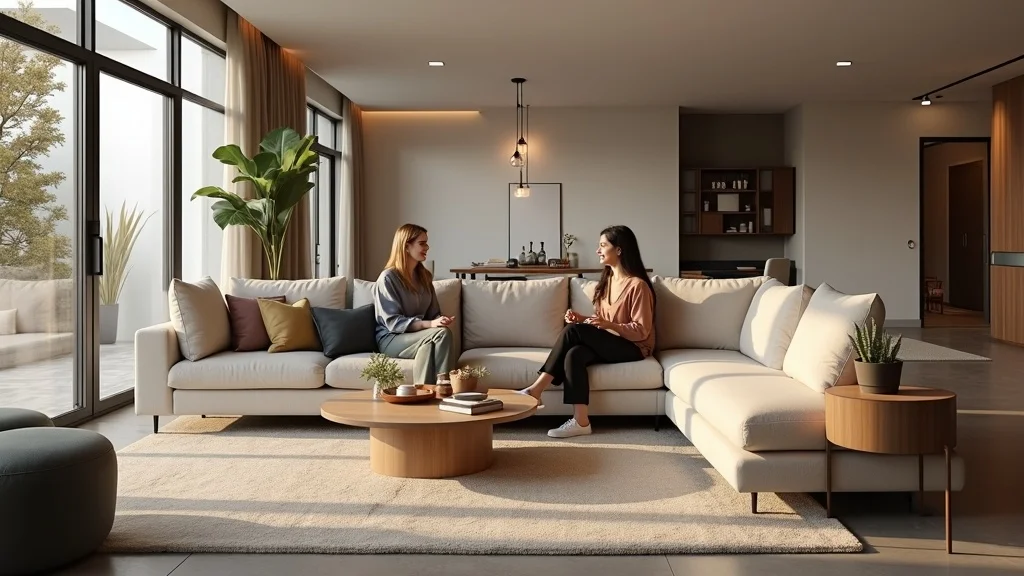
Your basement is more than just storage or laundry space—it’s an untapped area full of possibilities. Basement remodel and addition projects enable you to reimagine your home’s functionality and comfort. A primary advantage lies in gaining extra space: from a versatile family room or game room, to a productive home office or a tranquil fitness zone. A thoughtfully executed floor plan means every square foot contributes to daily life, whether that’s by bringing family together for movie nights or carving out private fitness and wellness retreats. Completing a basement addition can also significantly boost your property’s value and make your home more attractive to future buyers, offering both enjoyment and peace of mind.
Transforming your basement doesn’t just mean adding another room; it’s about integrating purposeful zones—such as a home gym, guest suite, or home theater—into your lifestyle. This extra space can be the solution for growing families, frequent entertainers, or anyone looking to spend time in a space tailored to their evolving needs. A luxury finished basement can genuinely elevate the feel and function of your entire home, making it more adaptable, enjoyable, and valuable.
Evaluating Existing Space and Baseline Considerations
-
Assessing basement floor condition
-
Foundation and moisture issues
-
Floor plan layout and structure
Effective basement room addition planning starts with a careful evaluation of your existing space. Begin by inspecting the current basement floor for cracks, slopes, or wear that might signal deeper foundation issues. Moisture management remains critical at this stage—nobody wants a luxurious space sabotaged by dampness or mold. Utilize tools like a sump pump and proper drainage methods to address potential water-related problems early in your planning process.
Consider the location of load-bearing walls, support posts, and any pre-existing utilities. Understanding these elements helps you devise a floor plan that fits seamlessly within the structure of your luxury home. Baseline considerations also include assessing ceiling heights to meet building codes, planning for egress window installation for safety, and confirming the overall stability of the foundation. Getting it right at the evaluation stage lays a solid groundwork for all your future remodeling decisions, ensuring the final result is both stylish and secure.
Key Steps to Effective Basement Room Addition Planning
-
Clarifying your goals for the basement addition
-
Setting a realistic timeline and expectations
-
Collaborating with a reputable remodeling specialist
Clear goal-setting forms the backbone of effective basement room addition planning. Before sketching out designs or meeting contractors, take time to clarify your vision—whether that’s expanding for a new home gym, crafting a family room, or ensuring the basement floor supports special features like a game room or custom bar. Setting a realistic timeline and understanding that a quality remodeling project requires detailed work and staged phases can help you avoid frustration and ensure smoother project execution.
Working with a qualified remodeling team, like those at Banner Construction, anchors your planning in expertise and experience. These specialists help translate your ambitions into actionable steps, from initial design to navigating permitting and regulations, resulting in well-informed, worry-free progress. Collaborating with professionals lets you anticipate challenges—like integrating mechanical systems or ensuring fire safety—so nothing is left to chance during your renovation journey.
Designing the Ideal Floor Plan for Your Basement Room Addition
Integrating Open and Private Spaces
-
Open floor plan vs. divided rooms
-
Creating functional zones (home office, home gym, guest bedroom)
-
Ensuring accessibility and flow
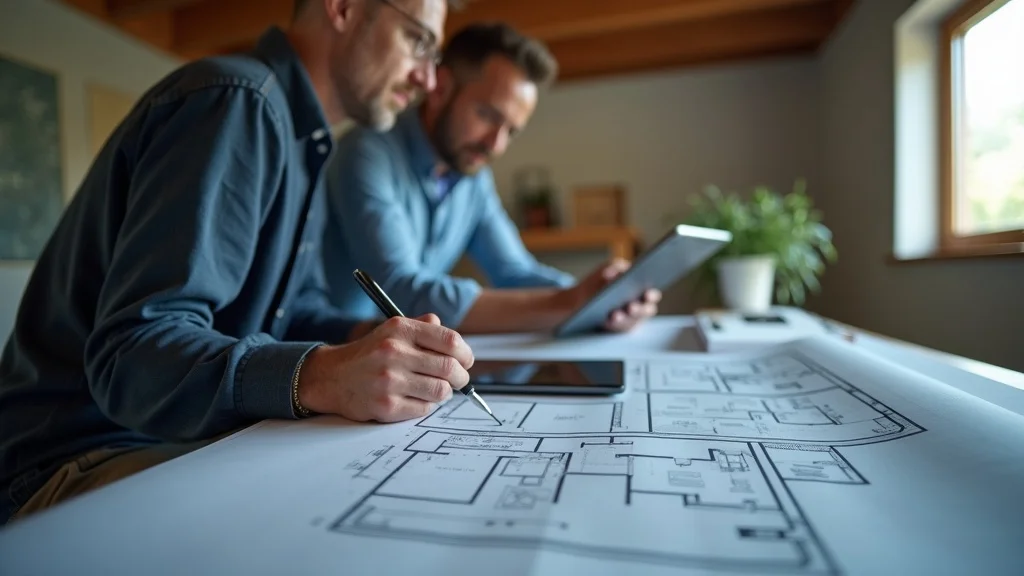
Successful basement room addition planning hinges on designing an ideal floor plan that balances openness with privacy. Do you want a loft-like, open basement that doubles as an entertainment space, or will divided rooms better serve your goals for a home theater, secluded home office, or private guest suite? Creating functional zones is especially important in maximizing your basement floor’s utility and comfort. For instance, soundproofed walls can optimize a home gym or media room, while an open kitchenette connects your basement to the rest of the house seamlessly.
Accessibility is another vital planning factor. Wide corridors, smart furniture placement, and logical transitions between activity areas keep the interior design both stylish and functional. Think through everyday use: how will family members and guests move between spaces? Visualizing your routine helps ensure that convenience, comfort, and personal touches define your finished basement space—making it both practical and welcoming.
Maximizing Natural Light and Ventilation
-
Window placement and egress
-
Light wells and smart lighting for basement floor
One common challenge of any basement remodel is making a below-grade space feel as open and bright as the rest of the house. Effective basement room addition planning incorporates strategic window placement, especially adding or enlarging egress windows to bring in natural light and fulfill local building code requirements. Not only do these windows make the basement safer by providing an emergency exit, but they also make the space livable and uplifting by connecting you to the outdoors.
Creative solutions like light wells or the use of reflective surfaces—such as glass, mirrors, and pale wall colors—can amplify any existing daylight. Smart LED lighting systems, dimmer controls, and accent fixtures help make the space inviting even on cloudy days or after sunset. Air quality is equally vital; integrating mechanical ventilation and proper ductwork ensures your finished basement feels fresh and comfortable in every season, making your remodeling project a true extension of your high-end home.

Key Considerations for a Successful Basement Remodeling Project
Structural, Mechanical, and Regulatory Requirements
-
Building codes and legal bedroom requirements
-
Plumbing, electrical, and HVAC planning
-
Moisture management and insulation
A flawless basement remodeling project blends vision with compliance and safety. Begin by understanding your local building codes—these set the minimum standards for ceiling height, staircase design, emergency egress, and what qualifies as a legal bedroom, all directly influencing your floor plan. To create habitable rooms like a family room, home office, or guest bedroom, you’ll need to plan for sufficient ceiling height (often a regulatory minimum), proper exits, and possibly upgrading the basement’s insulation and moisture barrier systems.
Planning mechanical systems is another area where expert guidance pays off. Ensure that your home gym or new bathroom is supported by suitable plumbing, robust electrical wiring, and efficient HVAC systems for year-round comfort. Moisture management continues to be top priority—incorporate waterproofing, quality insulation, and ventilation to protect your investment. Proactive attention to these details during your basement room addition planning leads to a space that’s safe, healthy, and hassle-free for decades to come.
“A basement addition is only as good as its foundation—literally and figuratively. Expert planning in the earliest phases protects your investment for decades.”
Flooring and Finishing Details for the Perfect Basement Room Addition
-
Best flooring choices for different uses
-
Soundproofing and ceiling options
-
Lighting, color, and material selection
No detail should be overlooked when bringing your basement room addition to life. Your flooring choice sets the tone for the entire space—luxury vinyl plank flooring is a favorite for its water-resistance, warmth, and realistic wood finishes, making it perfect for home gyms, playrooms, or elegant gathering rooms. Ceramic tile offers durability and style for bathrooms or wet bars, while plush carpets create a cozy atmosphere in a home theater or guest room. Soundproofing solutions, from acoustic ceiling tiles to dense underlayments, help maintain peace throughout the home.
Lighting and finishing choices complete your interior design vision. Recessed lighting, statement fixtures, and under-cabinet accents provide flexibility and flair. Opt for soft, neutral color schemes to evoke calm and sophistication, and select materials that blend luxury with practicality—like built-in cabinetry and textured feature walls. Every detail, when planned with care, contributes to a beautiful and enduring finished basement that truly stands apart.

Basement Room Addition Planning: Budgeting and Value Considerations
| Feature | Considerations for Basement Remodel | Basement Addition Benefits |
|---|---|---|
| Space Function | Versatile: home gym, office, bedroom | Adds square footage, resale value |
| Floor Plan Design | Customized zones, open areas | Integrate with home style |
| Cost Components | Materials, labor, permits | Increased investment, comfort |
Understanding the cost and value implications of your basement renovation project empowers smart decision-making at every step. Prioritize investments in areas that deliver both utility and luxury—multi-use rooms, premium materials, and energy-efficient systems. Collaborating closely with experienced professionals ensures you balance scope, quality, and your desired return on investment, helping realize a space that truly enhances the value and comfort of your entire home.
Keep in mind that every element of your floor plan and finish should support long-term functionality, from durable flooring solutions to custom built-ins that reflect your personal style. Smart budgeting also accounts for necessary upgrades in plumbing, electrical, and mechanical systems, particularly if your basement addition is designed for home additions like an extra bathroom, gym, or kitchen area. Transparency and foresight in budgeting protect your peace of mind while delivering outstanding results.
Incorporating Luxury Touches: What Sets High-End Basement Room Additions Apart
-
Smart home features
-
Custom built-ins and finishes
-
Personal wellness zones (saunas, fitness studios)
The most memorable basement additions effortlessly blend comfort, innovation, and style. Luxury touches might include climate-controlled home theaters, integrated sound systems, or smart automation that lets you adjust lighting, music, and security with a simple voice command. Custom built-ins—not just bookshelves, but wine cellars, wet bars, and hidden storage—make the space uniquely yours and boost both function and wow-factor.
Consider creating a personal wellness zone, such as a spa-inspired bathroom, sauna, or private fitness studio, to promote health and relaxation without ever leaving home. Artistic wall treatments, bespoke lighting, and luxurious materials like gold-toned fixtures or walnut panels turn your finished basement into a daily retreat. With the right design partner, your basement can become a testament to both luxury and ingenuity, setting your entire remodeling project apart.
Common Basement Remodel Mistakes and How to Avoid Them
-
Neglecting moisture and insulation
-
Ignoring egress code requirements
-
Underestimating the importance of a detailed floor plan
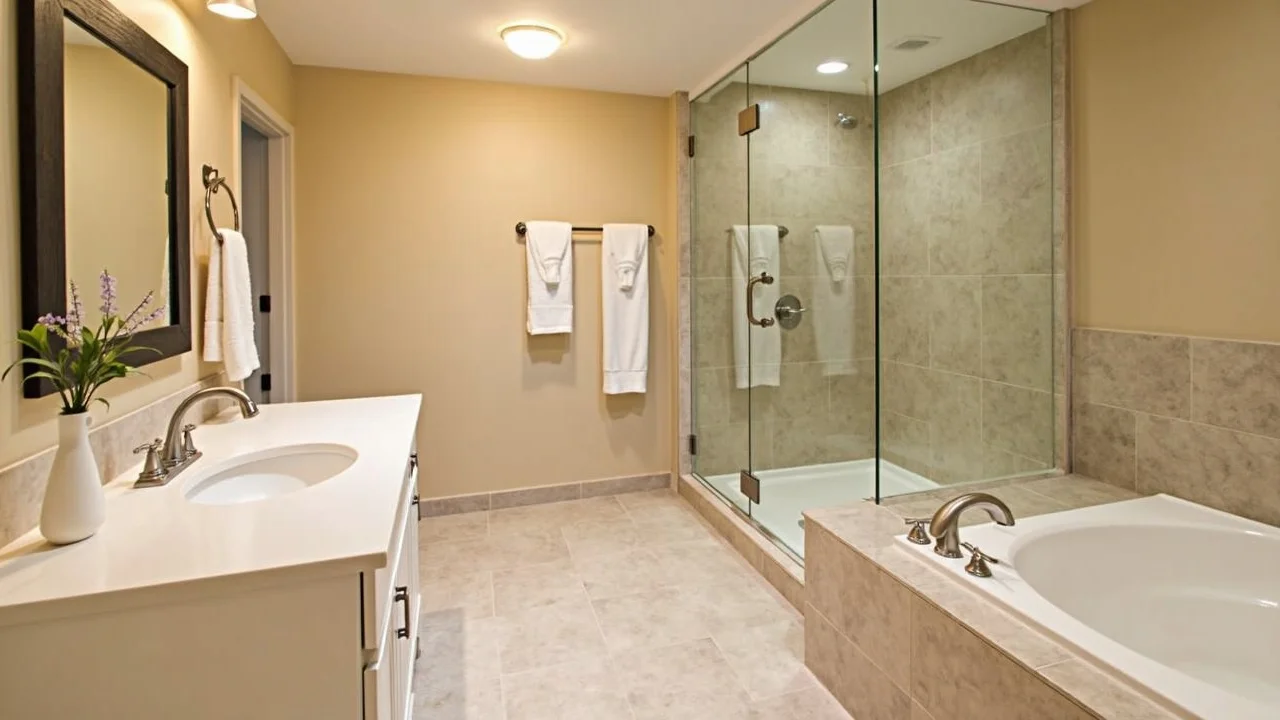
Even the most experienced homeowners can stumble without expert basement room addition planning. The most costly mistakes involve overlooking moisture control and insulation, leading to damage, discomfort, and mold. Always install a sump pump if groundwater is a concern and use closed-cell spray foam or other effective insulation methods. Ignoring egress codes is another error—proper egress window placement isn’t just a legal box to check, but a crucial safety and resale consideration.
Never underestimate the power of a comprehensive floor plan. By investing time upfront in the design stage, accounting for your needs and the home’s limitations, you’ll create a cohesive and inviting finished basement that stands the test of time. Partnering with Banner Construction from the beginning ensures each challenge is anticipated and expertly addressed, giving you the confidence that your project will deliver lasting satisfaction and value.
People Also Ask: Answers to Common Basement Room Addition Planning Questions
What is the 30% rule in remodeling?
-
The 30% rule suggests not spending more than 30% of your home’s value on a remodeling project, ensuring your investment is proportionate to overall property worth.
How much does it cost to build a 12×12 room in a basement?
-
Costs vary based on materials, finishes, and regional labor rates. A quality-focused approach emphasizes value, durability, and your overall home improvement goals.
Is it legal to put a bedroom in a basement?
-
Yes, but it must meet local building codes, including window egress requirements and ceiling heights. Adequate ventilation and emergency exits are essential.
How much does it cost to do a basement addition?
-
Basement addition costs can be significant, especially in luxury homes. Strategic basement room addition planning helps align your investment with desired outcomes and ensures long-term satisfaction.
FAQs on Basement Room Addition Planning
-
How long does a basement remodeling project typically take?
Timelines depend on project complexity and permitting, but expect several weeks to a few months for high-quality, fully customized results. -
Do I need an architect for a basement addition?
For complex or luxury projects, a licensed architect or experienced designer is recommended to ensure code compliance and optimal design. -
What is the process for getting permits for a basement remodel?
Work with your remodeling contractor to submit floor plans and specs to your local building department; they’ll guide you through inspections and approvals. -
Can my basement floor support heavy gym equipment?
Most luxury homes have structurally sound basements, but professional assessment is essential to confirm load-bearing capacity and plan reinforcements if needed. -
How do I manage natural light in a below-grade room?
Use egress windows, light wells, and reflective materials to increase brightness. Combine natural and smart artificial lighting for a cheerful atmosphere.
Key Takeaways for Basement Room Addition Planning Success
-
Start with a comprehensive floor plan
-
Prioritize legal, safety, and quality standards
-
Invest in features that blend function with luxury
Ready to Start Basement Room Addition Planning?
-
Contact us at https://bannerconstruction.com/contact-banner-construction-st-louis/ to schedule a personalized consultation for your basement room addition planning and luxury remodeling needs.
Call us at (314) 648-2368