
Picture this: You’ve invested in beautiful new vinyl siding, only to find ripples and warping after a few short seasons. The culprit? Inadequate wall preparation. Avoid the hassle and disappointment—lay a rock-solid foundation before your siding goes up to maximize durability, enhance curb appeal, and truly elevate your home’s exterior. In this essential guide, you’ll find the expert insights you need for a flawless exterior home makeover.
Why Preparing Walls for Vinyl Siding Matters in Siding Installation
When it comes to preparing walls for vinyl siding, think of it as safeguarding your investment for years to come. Proper preparation ensures your home’s exterior remains beautiful and sturdy, eliminating the risk of water infiltration and energy loss down the line. Without a smooth, clean, and structurally sound surface, even the highest-quality vinyl siding installation can fall short of expectations.
Ignoring key steps in preparation can lead to issues like warping, uneven panels, or hidden moisture—problems that can cost more to fix than the siding installation itself. Remember, your exterior home makeover is only as good as what’s underneath the surface. By adhering to local building codes, inspecting every inch of your exterior walls, and creating a flat surface, you secure both the beauty and integrity of your home for years to come.
Common Mistakes When Preparing Walls for Vinyl Siding Installation
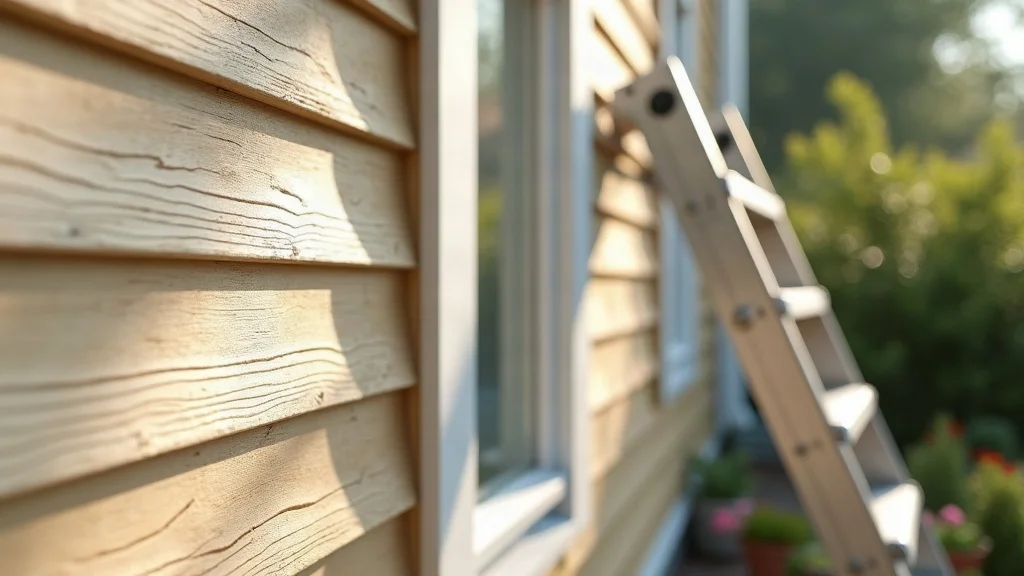
Homeowners often underestimate the importance of proper wall prep during a siding replacement or new installation. Common mistakes include failing to address wood sheathing damage, neglecting building code requirements, or skipping the house wrap. Sometimes, debris from old house siding or warped panels are simply covered up—an easy but costly shortcut. Always inspect for rot, moisture, and any protruding nails or fasteners. Remember, a compromised wall structure can undermine your entire home makeover.
Another error is not using the right insulating materials like foam plastic or not creating a true flat surface before installing vinyl siding. Without correcting irregularities, new siding will highlight every imperfection, greatly affecting curb appeal. As a best practice, consult local building codes and consider enlisting professionals to double-check your surface for a lasting, flawless finish.
“The right preparation ensures your exterior home not only looks beautiful, but also stands the test of time. ” – Banner Construction Specialist
What You’ll Learn About Preparing Walls for Vinyl Siding and Siding Installation
-
Step-by-step process for wall preparation
-
Key tools and materials required
-
Expert tips for long-lasting vinyl siding installation
-
How a well-prepared exterior home enhances durability and curb appeal
Checklist: Preparing Walls for Vinyl Siding Before Your Home Makeover
-
Inspect and repair wall surfaces
-
Remove old siding and debris
-
Apply weather-resistant barriers (house wrap/insulation)
-
Mark and prepare door and window openings
-
Verify wall flatness and correct irregularities

Step-By-Step Guide: Preparing Walls for Vinyl Siding Installation
Surface Inspection and Repair for Exterior Home Renovation
Start your exterior home makeover by closely examining every wall surface slated for siding installation. Any signs of rot, water damage, or pest infestations in the wood sheathing must be addressed right away. Patching holes or replacing compromised sections is crucial, especially near window frames and door and window frames—these are frequent culprits for leaks and energy loss. Follow your local building codes when making repairs for compliance and safety. After repairs, sand down rough patches so you have an even, nailable material that supports the best possible result for vinyl siding installation.
Additionally, pay special attention to making sure the entire exterior wall is flat. Gaps, bulges, or leftover fasteners can create visible flaws once siding is applied. Smooth transitions between panels, secure any loose wood sheathing, and address every imperfection, however minor. Investing the extra time in inspection and repair leads to attractive, long-lasting curb appeal for your home.
Installing House Wrap and Insulation for Siding Installation
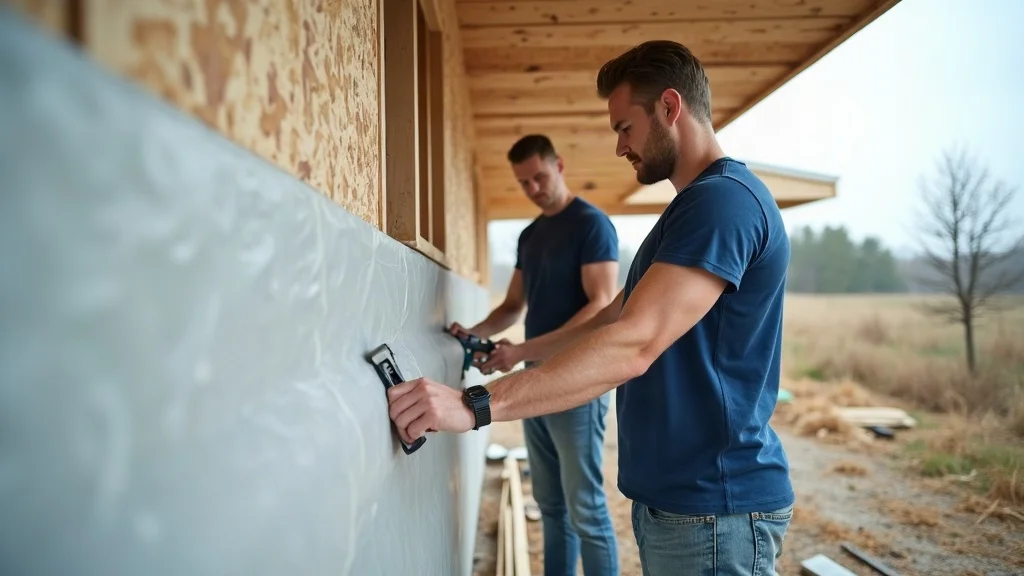
Once your walls are structurally sound, the next step is critical for protection and energy efficiency: apply a house wrap or foam plastic insulation. This weather-resistant barrier prevents moisture from seeping through the exterior walls, which can otherwise cause rot, mildew, or mold, especially in humid or damp geographic areas. Always overlap house wrap seams and fasten them securely, according to local building code requirements, to create a continuous water and air barrier around your home.
If your local climate warrants it, consider adding rigid foam insulation boards atop the house wrap for upgraded thermal performance. These not only improve your home’s energy efficiency but also even out surface irregularities, making it easier to achieve a flat surface when you begin siding installation. Be sure to seal all joints with flashing tape for added protection around windows, doors, and any penetrations, as recommended by leading home renovation specialists.
Marking Openings and Ensuring Flat Surfaces for Vinyl Siding
With barriers and insulation in place, it’s time to address details around windows and doors. Carefully mark the perimeter of each opening and double-check measurements to ensure your siding fits snugly without obstructing the function of window frames or door and window frames. Apply flashing tape at all corners and edges to seal against potential leaks, enhancing both durability and energy performance, especially important in regions prone to harsh weather.
Finally, confirm your walls provide an uninterrupted, flat surface. If working with concrete block or irregular sheathing, install furring strips—a type of nailable material attached to the wall to level out the surface—perpendicular to the direction of your planned siding installation. This ensures the vinyl siding will sit evenly and remain securely fastened, helping you avoid visible imperfections and supporting the structural longevity of your exterior home makeover.
“Preparation is the key to a seamless vinyl siding installation and successful exterior home makeover. ” – Senior Project Manager, Banner Construction
This concise video walks you through visual demonstrations of wall inspection, repair, house wrap application, insulation, and wall marking—perfect for first-time home renovators.
Table: Materials Needed for Preparing Walls for Vinyl Siding
| Material | Purpose | Best Practices |
|---|---|---|
| House wrap | Moisture barrier | Overlap seams and fasten securely |
| Insulation board | Thermal protection | Choose appropriate thickness |
| Flashing tape | Seal openings | Apply at windows/doors edges |
| Furring strips | Even out wall | Space evenly |
| Galvanized nails | Fasten siding | Check for compatibility with siding |
People Also Ask: Expert Answers on Preparing Walls for Vinyl Siding
What do you put on exterior walls before siding?
Answer:
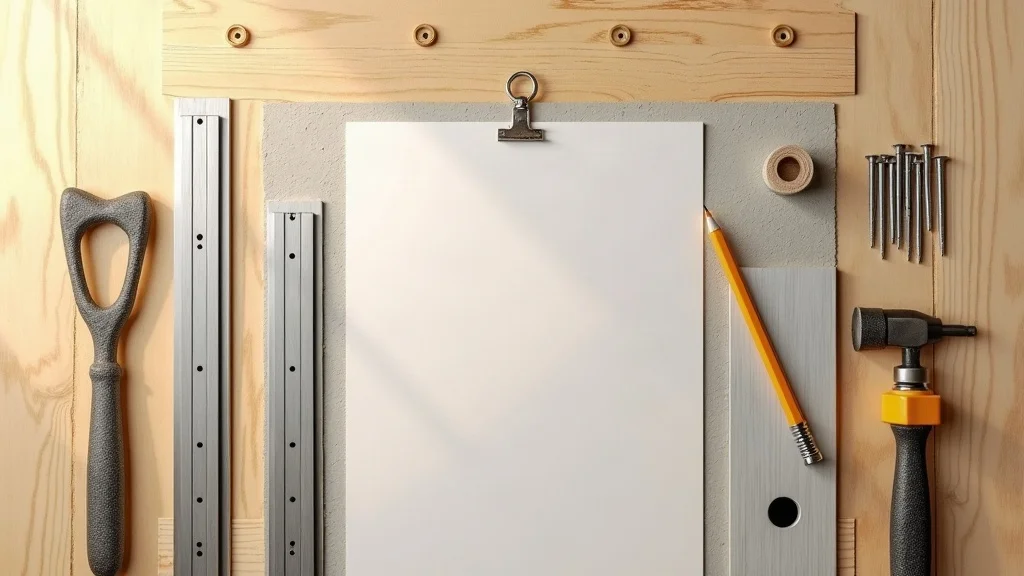
Before vinyl siding installation, apply a weather-resistant barrier such as house wrap or rigid foam board insulation to your exterior walls. These materials shield your home from moisture infiltration and provide essential insulation, supporting both the durability and energy efficiency of your exterior home. Proper preparation is key to ensuring your siding looks and performs its best.
Should vinyl siding be nailed to studs?
Answer:
Ideally, vinyl siding should be nailed directly into wall studs or properly spaced furring strips. This ensures a secure hold and a flat surface during siding installation. Always follow local building codes for nailing requirements, using fasteners long enough to penetrate both siding and supporting material, which guarantees a lasting exterior home finish.
Do I need house wrap behind vinyl siding?
Answer:
Yes, a house wrap is strongly recommended behind vinyl siding. It acts as a moisture barrier, preventing water from reaching your exterior walls and prolonging the life of your home makeover. Even if your local building code doesn’t mandate it, professionals agree that house wrap helps preserve your home against the elements.
Can I install vinyl siding over a concrete block wall?
Answer:
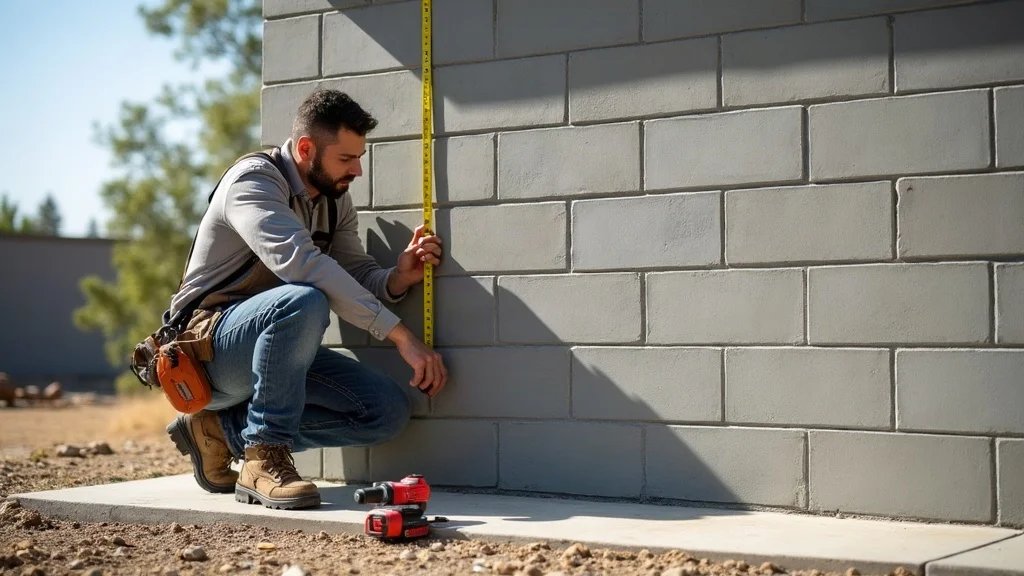
Yes, but you must secure furring strips to the concrete block first. These strips create a level, nailable surface required for successful vinyl siding installation. Attach them securely, ensuring correct spacing, and always check for compliance with local building codes when working with unique wall surfaces during your home renovation project.
FAQs on Preparing Walls for Vinyl Siding and Siding Installation
-
How long does it take to prepare walls for vinyl siding?
Preparation time depends on wall condition and project size. Minor repairs may only take a day, whereas larger homes or extensive damage could require several days before actual siding installation can begin. -
Can damaged exterior walls still be used for vinyl siding installation?
In many cases, mild damage can be patched, but extensive rot or structural issues should be fully repaired or replaced to meet building code and ensure a stable, long-lasting finish. -
What siding colour options work best for home makeovers?
Popular vinyl siding colours include soft grays, warm earth tones, and bold blues—all excellent for boosting curb appeal and complementing your exterior home’s architectural style. -
Does prepping for vinyl siding require professional help?
While confident DIYers can handle basic prep, professional expertise is strongly recommended for inspections, repairs, and ensuring all building code requirements are met—especially for high-end home makeovers. -
Is house wrap necessary for all climates?
House wrap offers valuable protection in every climate, acting as a moisture shield and air barrier. In humid or rainy regions, its use is critical; in drier locales, it still enhances energy efficiency and wall integrity over time.

Key Takeaways: Preparing Walls for Vinyl Siding and Achieving a Lasting Exterior Home
-
Proper preparation increases vinyl siding longevity and appearance.
-
Investing in house wrap and correct materials prevents future issues.
-
Expert installation ensures your exterior home makeover stands out in your neighborhood.
Ready to Start Your Vinyl Siding Installation? Call us at(314) 648-2368
Your dream exterior home makeover is only a call away—let Banner Construction help you prepare for flawless, lasting results. Contact us to schedule your free consultation.