
Imagine standing in your driveway, eyeing the faded, worn panels on your home, and realizing it’s time for an upgrade—but how do you choose between the impressive durability offiber cementand the modern convenience ofvinyl siding? For upper-income homeowners prioritizing investment, appearance, and peace of mind, making the right siding choice has never been more crucial. This guide delivers expert, down-to-earth guidance on James Hardie siding vs vinyl siding—so you can make a decision that elevates your home’s curb appeal and safeguard its value for decades to come.
Introduction to James Hardie Siding vs Vinyl Siding

Selecting the perfect exterior material for your home is a pivotal decision—one with long-term impact on comfort, property value, and the beauty of your living space. The debate around James Hardie siding vs vinyl siding is especially relevant for discerning homeowners who seek long-lasting protection, standout curb appeal, and a premium appearance that aligns with their lifestyle and neighborhood standards. Each option offers distinct advantages and trade-offs, from the robust fire resistance and traditional look of fiber cement siding to the versatile styles and effortless maintenance of modern vinyl siding.
Understanding exactly how these siding types compare can make the difference between a good renovation and a standout investment. We’ll break down their differences in durability, maintenance, aesthetics, and long-term financial impact—giving you the insight you need to turn your next siding replacement into an investment that truly pays off.
A Scenario Every Homeowner Faces: Choosing the Right Siding Material
Whether you’re planning to stay in your home for decades or elevate its value for resale, choosing between fiber cement siding and vinyl siding comes down to understanding how they’ll perform over time. Considerations like climate, desired appearance, and the time you can dedicate to maintenance all play a key role. Delaying this decision could mean living with less efficient insulation, fading exteriors, or ongoing repair headaches down the road. This guide helps you avoid surprises by spotlighting exactly what to expect from each option in real-world conditions.
Importance of Siding Material Comparison for Home Value
Today’s upper-income buyers know that exterior materials aren’t just about looks—they’re investments in home longevity and desirability. A side-by-side comparison of cement siding and vinyl siding has become essential for those looking to maximize both curb appeal and return on investment. The right siding choice enhances your property’s architectural character, provides crucial protection against the elements, and even influences insulation performance and fire safety. Let’s explore the key differences and identify the fit for your specific situation.
What You’ll Learn in This James Hardie Siding vs Vinyl Siding Guide
-
How fiber cement siding and vinyl siding differ in durability, maintenance, aesthetics, and performance
-
Key benefits of James Hardie siding and vinyl siding for upper-income households
-
Expert advice from Banner Construction for home exterior siding options
-
Insights into siding installation cost and value considerations
Overview of Home Exterior Siding Options
Defining James Hardie Siding (Fiber Cement Siding)
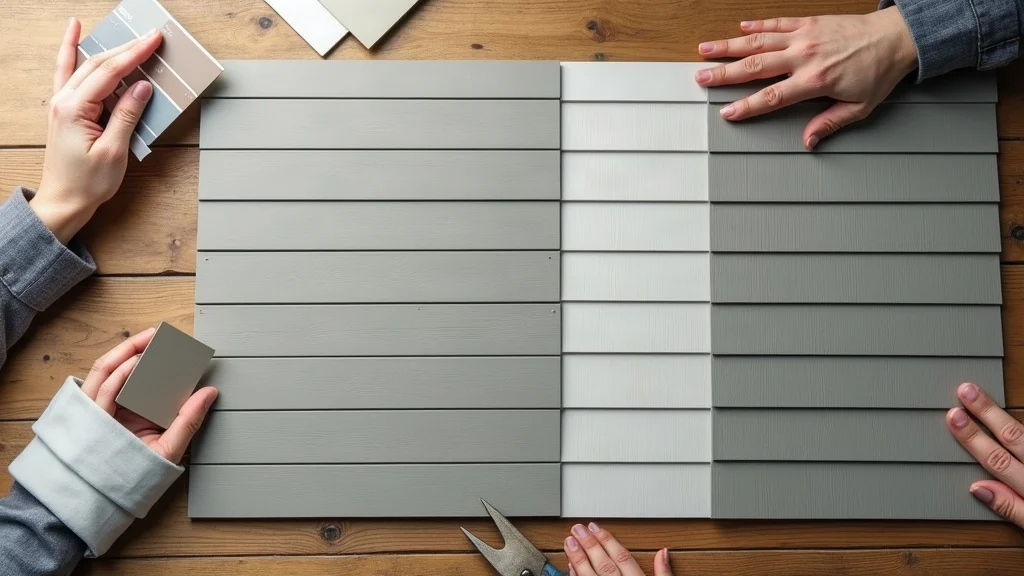
James Hardie siding, often called fiber cement siding, is composed of Portland cement, sand, water, and cellulose fibers. This engineered composite is specifically designed for remarkable durability and strength. Ideal for properties requiring a premium appearance, fiber cement features the look of classic wood with robust construction that stands up against harsh climates, pests, and fire. What sets James Hardie products apart is their climate-specific engineering, ensuring optimal performance whether you face searing summers or blustery winters. The most popular product lines offer grain texture and deep shadow lines, enhancing traditional and contemporary home designs alike.
Banner Construction has been installing fiber cement siding for discerning homeowners since 1993, offering tailored solutions that blend resilience with architectural distinction. If you want an exterior material that combines strength with striking, long-lasting curb appeal, James Hardie siding remains a top choice.
Defining Vinyl Siding
Vinyl siding is made from rigid polyvinyl chloride (PVC) resin, with advanced options featuring insulated backing for increased energy efficiency. Known for its lightweight, flexibility, and cost-effectiveness, modern vinyl siding delivers a remarkable range of colors and profiles, from sleek contemporary panels to wood-mimicking clapboards. It requires minimal maintenance and installation is generally less labor-intensive than fiber cement, making it an attractive solution for busy homeowners and large-scale siding replacement projects. If you’re seeking an exterior material that offers both practicality and visual variety, vinyl siding remains a popular siding type nationwide.
Properly installed, contemporary vinyl siding can resist moderate impacts and is less prone to rot or insect damage. Innovations in UV protection and weatherable finish mean today’s quality vinyl options outperform the faded, brittle siding of yesteryears, helping ensure vibrant, lasting curb appeal with very little effort.
Key Features: Fiber Cement Siding vs Vinyl Siding
Choosing between fiber cement and vinyl siding means weighing different strengths: fiber cement is non-combustible, delivers robust fire resistance, and offers a premium appearance with deep shadow lines, while vinyl siding excels in color variety, lower upfront cost, and easy repairs or upgrades. Fiber cement is typically heavier and requires expert fiber cement installation, while vinyl is lighter and more forgiving in terms of handling and labor.
Both siding materials offer distinct curb appeal options—with fiber cement leaning toward high-end, timeless designs and vinyl accommodating a range of classic and trending styles. In upcoming sections, we’ll dig deeper into which siding material suits your long-term needs and aesthetics best.
Siding Material Comparison: Durability of James Hardie Siding vs Vinyl Siding
How Long Does James Hardie Siding Last?
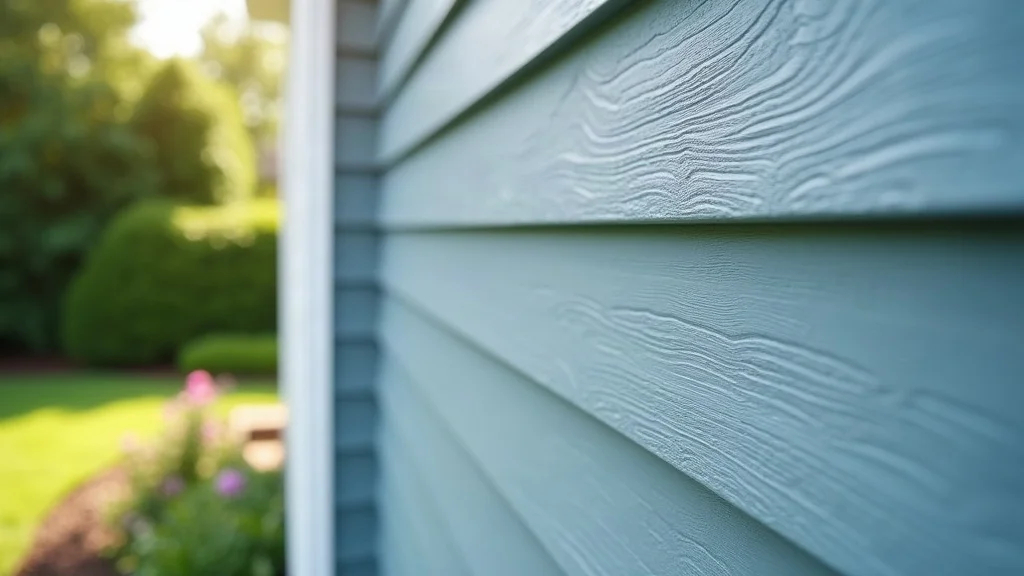
One of the biggest reasons upper-income homeowners choose fiber cement siding, especially from James Hardie, is its outstanding longevity. Fiber cement is engineered for durability: it’s resistant to impacts, doesn’t rot, and can withstand termites and other pests that plague wood-based siding. With optimal installation and routine maintenance, James Hardie siding can last upwards of 30 to 50 years—sometimes beyond, depending on local weather and care. Fiber cement’s unique blend of sand, cement, and cellulose fibers delivers a stability that preserves its structure and finish long after comparable materials begin to show their age.
This long-term value is especially appealing if you’re planning to stay in your home long-term or want a siding replacement with a longer lifespan. Homeowners value knowing that, even in harsh climates with heat, wind, rain, and freeze/thaw cycles, their investment in cement siding remains protected.
How Long Does Vinyl Siding Last?
Vinyl siding is engineered to last for decades with minimal maintenance. Many quality vinyl options stay visually appealing and structurally sound for 20 to 30 years, especially if cleaned regularly and protected from physical impacts. Upgrades like insulated vinyl panels and advanced finishes help modern vinyl outperform previous generations, but it is more susceptible than fiber cement to warping, cracking, or damage from hail, debris, and extreme heat. However, it’s important to note that vinyl siding is among the most popular siding materials because it is cost-effective at the outset and can be easily replaced or upgraded in sections as needs and tastes evolve.
For those prioritizing a lower upfront cost or seeking a material that allows for straightforward home updates, vinyl siding offers a practical path with respectable longevity—especially when climate and exposure risks are moderate.
Weather Resistance: Fiber Cement vs Vinyl Siding
When evaluating siding material for weather resistance, fiber cement stands apart. Cement siding shrugs off wind, rain, and even hail; it’s non-combustible (making it an excellent fire resistance choice) and maintains integrity over decades. Vinyl siding performs well in many climates, too; its finishes remain colorfast and resistant to moderate UV exposure, and it doesn’t soak up moisture like wood. However, extreme cold can make vinyl brittle, and high heat may cause warping.
Fiber cement’s resistance to moisture means it rarely supports mold or mildew growth if correctly installed over a robust moisture barrier. Vinyl relies on overlapping panels that allow water to escape, but insufficient installation or damaged panels could lead to trapped moisture behind the walls.
Damage and Repair Considerations for Cement Siding and Vinyl
Both fiber cement siding and vinyl siding have unique repair profiles. Minor cracks or chips in fiber cement can typically be filled and repainted, maintaining the overall integrity of your home’s exterior. Extensive damage, however, may require panel replacement, best performed by experienced contractors due to fiber cement’s weight and composition.
Conversely, vinyl siding handles spot repairs with ease—individual panels can be swapped out quickly if dented or cracked. Yet, older vinyl colors may be hard to match, and structural cracks can sometimes allow moisture behind the exterior material, risking insulation and framing. For both options, proper installation is key to preventing avoidable repairs and maximizing lifespan.
Maintenance Requirements: James Hardie Siding Maintenance vs Vinyl Siding
Routine Care for Fiber Cement Siding
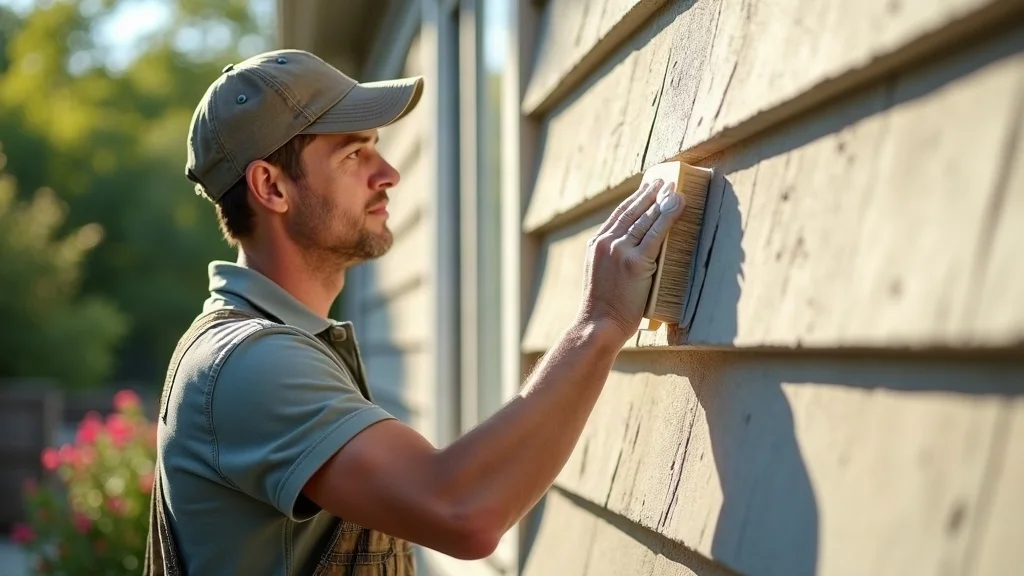
James Hardie’s fiber cement siding is designed for low-maintenance luxury, but regular care ensures that long-term performance. Cleaning annually with a garden hose or soft brush removes pollutants, dust, and mildew before they take hold. Spotting and touching up areas where paint may have chipped will help retain the vibrant finish, and periodic caulking of joints minimizes the risk of water infiltration.
If your fiber cement facade is painted, expect to repaint every 10–15 years for maximum color retention and durability. With modern baked-on color options and grain texture that resists fading, maintenance is less about preventing damage and more about preserving that premium appearance year after year.
Routine Care for Vinyl Siding
The hallmark of vinyl siding is its minimal maintenance demand. Seasonal rinsing with water, or periodic spot-cleaning with mild soap, keeps panels looking fresh. Unlike fiber cement, vinyl doesn’t require painting, and most homeowners can replace minor sections without professional help. One watch-out: certain cleaners and high-pressure washing can degrade finishes or force water behind the siding, so stick to moderate methods.
Check occasionally for loose panels or edges—especially after storms—to maintain a seamless moisture barrier and prevent wind damage. For busy families or those for whom home exterior care isn’t a preferred hobby, vinyl offers a true set-it-and-forget-it routine.
Longevity through Maintenance: Best Practices
No matter your choice of siding, best practices in maintenance will extend its lifespan and keep your curb appeal at a peak. For fiber cement, regular cleaning, timely painting, and prompt caulking ward off most wear issues. For vinyl, keeping panels secure, promptly replacing damaged sections, and washing away airborne dirt or mold will keep your home’s exterior looking new and functioning at its best.
While both options provide impressive longevity given proper routine care, those with higher expectations for permanence and a preference for a “like new” look after decades tend to lean toward fiber cement siding as the clear champion.
Curb Appeal and Aesthetic Choices: James Hardie Siding vs Vinyl Siding
Color, Texture, and Style Options
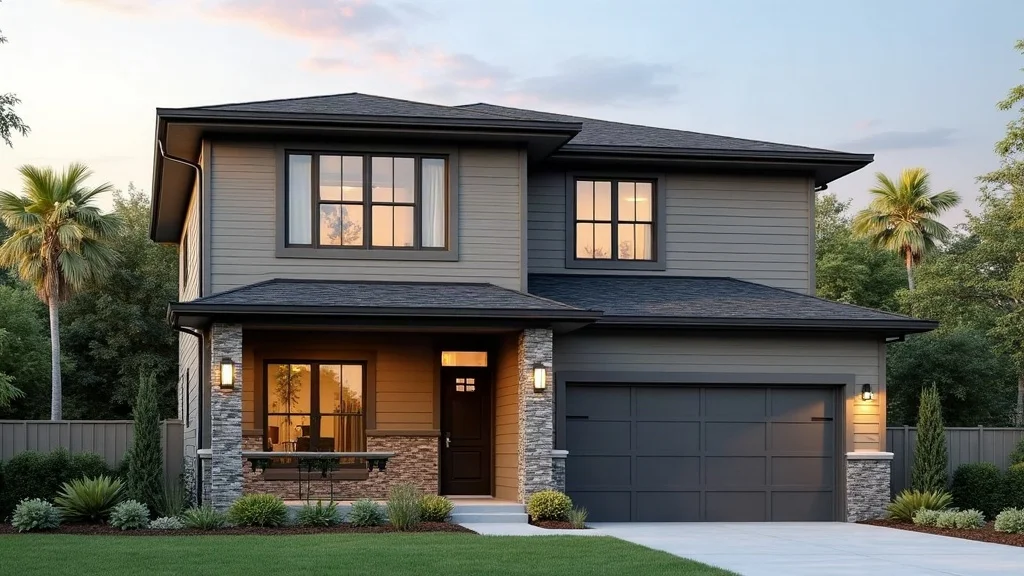
Few investments do more for a home’s curb appeal than fresh siding with on-trend colors, crisp shadow lines, and distinctive architectural character. Fiber cement siding excels with an array of profiles—from traditional lap siding to bold panels or board-and-batten looks—all designed with a realistic woodgrain texture or smooth modern finish. Color technology from James Hardie ensures fade resistance, and deep, rich hues accentuate premium exteriors.
Vinyl siding continues to expand its design repertoire. From classic pastels to bold contemporary shades, today’s vinyl options mimic wood, stone, or even architectural metals. Advancements in grain texture, shadow lines, and high-wear finishes mean homeowners sacrifice little in terms of style while gaining in ease of care.
Impact on Home Value and Architectural Character
For upper-income neighborhoods and distinctive architecture, siding choice directly influences both home value and perception. Fiber cement is often associated with upscale developments and custom homes, helping properties retain or even elevate their value come resale time. Its sculpted finishes and classic profiles can complement historic homes and modern builds alike.
Vinyl siding, while versatile and beloved for ease, sometimes lacks the tactile authenticity prized in luxury communities. Still, with premium grades, bold colors, and careful installation, modern vinyl can confidently refresh or transform an aging property—especially when replacing existing siding for a refreshed, low-maintenance look.
Curb Appeal: Enhancing Upscale Homes with Fiber Cement Siding and Vinyl Siding
Both fiber cement siding and vinyl siding now offer lines tailored to high-value homes, with options ranging from dramatic color palettes to architectural trim and wide-profile boards. Use fiber cement to emulate craftsman, colonial, or coastal styles, and vinyl for contemporary, farmhouse, or traditional aesthetics. For some projects, mixing both materials—a trend in custom builds—creates unique visual depth and maximizes design flexibility.
Remember, first impressions matter—high-quality siding not only protects but distinguishes your home, impressing guests and maximizing equity.
Fire Resistance, Energy Efficiency, and Environmental Impact
Fire Resistance of Fiber Cement Siding vs Vinyl Siding
Fire resistance is a top concern for many homeowners, especially in neighborhoods near wildlands or for those seeking robust safety assurances. Fiber cement siding is non-combustible and meets some of the strictest building codes for fire-prone regions. In contrast, vinyl siding is constructed from PVC, which can melt and burn at lower temperatures; while many modern vinyl lines are treated to slow burning, they don’t offer the same inherent protection as cement siding.
If your priority includes fire safety or compliance with enhanced local codes, fiber cement provides a clear advantage over vinyl siding.
Energy Efficiency: Insulation Benefits and Limitations
Both siding types contribute to home energy efficiency when paired with high-quality underlayments or insulated sheathing. Insulated vinyl siding takes a lead here; it’s available with built-in foam layers that improve overall R-value and may lower utility costs slightly. Fiber cement, while dense, is best paired with a separate moisture barrier and insulation system to reach peak performance. For either material, professional installation greatly affects airtightness and energy savings.
Choose the system that aligns with your climate and desired comfort—especially if you’re seeking tax incentives or green certification for your property.
Eco-Friendly Siding: Sustainability Considerations
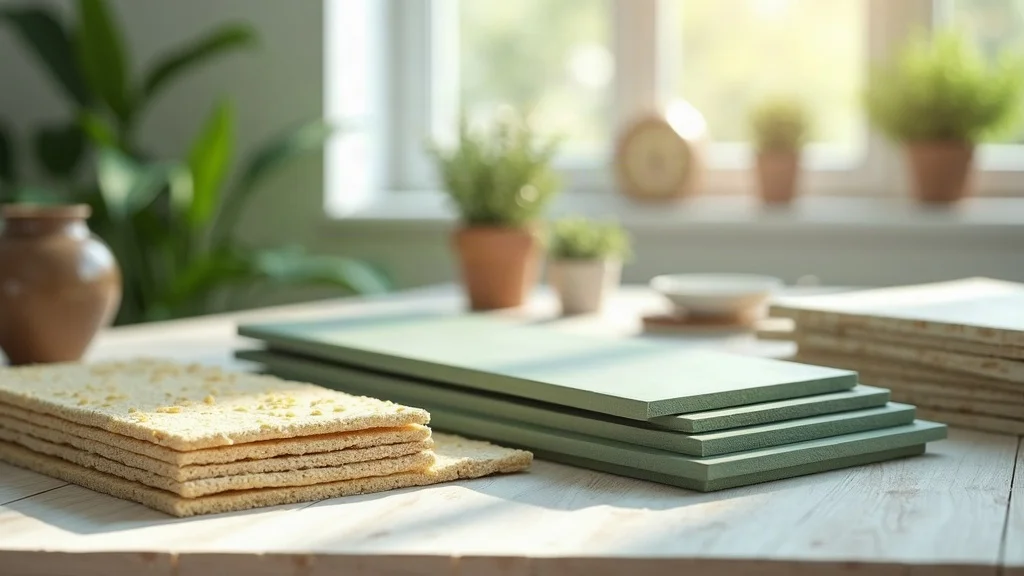
Environmental sustainability is an increasingly important factor for homeowners. Fiber cement siding uses abundant ingredients (cement, sand, cellulose) and has a life cycle favoring long-term use, making it a solid choice for eco-conscious families. James Hardie has further invested in minimizing production waste and supporting recycling initiatives.
Vinyl siding, while recyclable, is a petroleum-based product, and not all removal processes lead to responsible reuse. Its lightweight, however, means lower transportation emissions, and longer-lived modern vinyl requires fewer replacements over time. Both materials present a clear improvement over traditional wood siding in terms of rot prevention and resource consumption.
Siding Installation Cost and Value Considerations
Cost Factors: Fiber Cement Siding vs Vinyl Siding Installation
When comparing the upfront cost of installation, vinyl siding is generally less expensive in both labor and material. Its lighter weight means quicker installs and fewer specialized tools. Fiber cement installation, by contrast, is more labor-intensive and demands skilled professionals, which is reflected in installation fees. However, the full equation involves not only square foot pricing but also the projected lifespan and maintenance investments of each.
Banner Construction’s experience affirms that, while fiber cement is costlier at the outset, its durability, fire resistance, and ability to withstand harsh climates often make the long-term investment worthwhile—especially for high-value properties.
Value Over Time: Resale Impact and Return on Investment

Think beyond installation: what impact will your siding investment have on resale value, repairs, or energy efficiency savings? National surveys consistently identify fiber cement siding as one of the most value-retentive improvements for home exteriors, often recouping a greater percentage of its cost at sale. Vinyl siding, too, offers solid ROI, especially for those seeking to modernize outdated facades at a lower upfront cost.
Ultimately, your choice should reflect how long you plan to stay, local market trends, and whether premium finishes, minimal maintenance, or resale appeal matter most in your specific situation.
Expert Insights: Quotes from Banner Construction on James Hardie Siding vs Vinyl Siding
“James Hardie siding is engineered for climate and offers superior durability for clients seeking long-term value in their home improvements.” — Banner Construction
“Vinyl siding remains a cost-effective and popular choice, ideal for homeowners seeking minimal maintenance and versatile style options.” — Banner Construction
Table: Siding Material Comparison – James Hardie Siding vs Vinyl Siding
| Feature | James Hardie Siding (Fiber Cement Siding) | Vinyl Siding |
|---|---|---|
| Durability / Lifespan | 30–50+ years with proper care | 20–30 years with regular cleaning |
| Material | Fiber cement composite (cement, sand, cellulose) | Rigid polyvinyl chloride (PVC) |
| Fire Resistance | Non-combustible; preferred by fire codes | Melts/burns at high temperatures |
| Maintenance | Periodic cleaning, repainting, caulking | Mainly cleaning; little to no repainting |
| Curb Appeal | Authentic wood look; premium appearance | Wide variety of contemporary and classic styles |
| Cost | Higher upfront; long-term value | Lower upfront; economical for large homes |
| Eco-Friendliness | Long lasting, recyclable, resource-based | Lightweight, energy efficient, partly recyclable |
| Repairs | Panels repairable, but more labor intensive | Easy panel replacement |
James Hardie Siding vs Vinyl Siding: Pros and Cons
-
Pros of James Hardie Siding (Fiber Cement Siding):
-
Superior durability and weather resistance
-
Exceptional fire resistance and pest resistance
-
Premium, wood-like appearance and deep shadow lines
-
Excellent long-term ROI and resale value
-
-
Cons of James Hardie Siding:
-
Higher upfront material and installation cost
-
Heavier; requires skilled installation
-
Periodic painting and caulking required
-
-
Pros of Vinyl Siding:
-
Lower upfront cost
-
Minimal required maintenance
-
Wide range of styles, colors, and accessories
-
Lightweight and easy to install or repair
-
-
Cons of Vinyl Siding:
-
Susceptible to warping in extreme heat or cold
-
Can fade or become brittle over decades
-
Less fire and impact resistance compared to cement siding
-
May reduce perceived value in premium neighborhoods
-
People Also Ask: James Hardie Siding vs Vinyl Siding

What’s better, LP siding or Hardie board?
LP siding and Hardie board (fiber cement) differ in composition and performance. Hardie board offers greater fire resistance and longevity, while LP siding is valued for ease of installation. Your choice depends on priorities such as durability, climate resistance, and budget.
What is the best type of siding for a house in 2026?
The best type of siding for a house in 2026 balances durability, curb appeal, and low maintenance. James Hardie siding and high-quality vinyl siding are top contenders, thanks to innovation in fiber cement siding and advancements in vinyl material.
How much to replace vinyl siding on a 2000 sq ft house?
The cost to replace vinyl siding on a 2000 sq ft house varies based on material grade and regional labor, but always seek itemized estimates from reputable contractors.
What is the downside of vinyl siding?
Vinyl siding can be prone to warping under extreme heat, less resistant to impact compared to fiber cement siding, and may fade over time without proper care.
James Hardie Siding vs Vinyl Siding: Frequently Asked Questions (FAQ)
-
Does James Hardie siding require painting?
James Hardie siding can be purchased pre-finished with ColorPlus Technology, which offers long-lasting color. However, if painted on site, it should be repainted every 10–15 years to maintain appearance. -
Is vinyl siding waterproof?
Vinyl siding itself is water-resistant, but it relies on the home’s underlying moisture barrier for total waterproofing. Proper installation is crucial to prevent water intrusion. -
How does fiber cement siding handle pests or moisture?
Fiber cement siding is immune to damage by termites and resists moisture infiltration better than wood or untreated siding, provided it is installed over an adequate moisture barrier. -
Can James Hardie siding and vinyl siding be used together?
Yes, in some custom designs, both can be used to accentuate visual features or manage costs, provided transitions are correctly flashed and sealed.
Key Takeaways for Upper-Income Homeowners Considering James Hardie Siding vs Vinyl Siding
-
Durability and longevity strongly favor fiber cement siding for high-value homes
-
Vinyl siding offers practical style and minimal maintenance
-
Your choice between James Hardie siding vs vinyl siding should account for climate, budget, and lifestyle preferences
Let’s Bring Your Vision to Life with Banner Construction
Call us at(314) 648-2368to discuss your siding options and discover how our expertise in James Hardie siding and vinyl siding can transform your home.
Ready to make a choice that builds value and beauty? Contact us today for a personal consultation and let’s bring your vision to life!